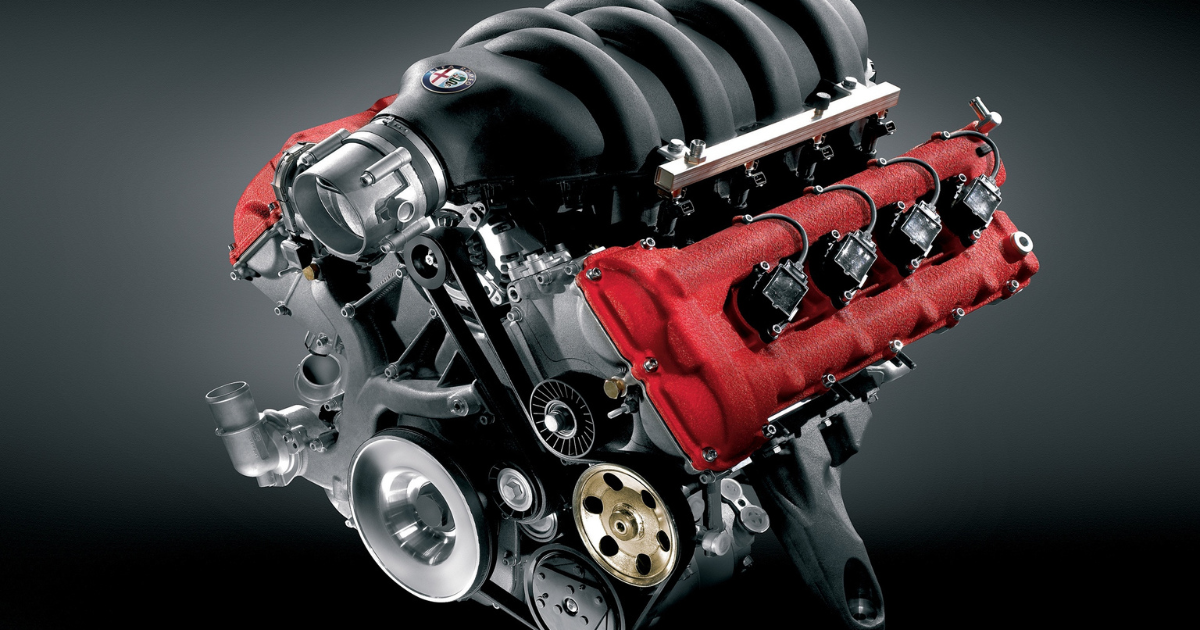
A car engine is a complex machine made up of many interconnected parts working together to generate power. Each component has a specific role, and even a small issue in one part can affect the overall performance of the engine. Understanding the main engine components provides valuable insight into how vehicles operate and helps in better maintenance and troubleshooting.
Engine Block – The Foundation
The engine block is the main structure of the engine and serves as the foundation for all other components. It houses the cylinders, where combustion takes place, and includes passages for coolant and oil flow. Typically made from cast iron or aluminum, the engine block is designed to handle high temperatures and pressure while maintaining structural integrity.
Cylinder Head – Controlling Airflow
Mounted on top of the engine block, the cylinder head seals the combustion chamber and controls airflow in and out of the engine. It contains intake and exhaust valves, spark plugs in petrol engines, and sometimes fuel injectors. The cylinder head plays a key role in ensuring efficient combustion and proper engine timing.
Pistons – Power Generators
Pistons are cylindrical components that move up and down inside the engine’s cylinders. They are directly involved in the combustion process, converting the energy from burning fuel into mechanical motion. Pistons are connected to the crankshaft via connecting rods, allowing their movement to be transferred into rotational force.
Crankshaft – Converting Motion
The crankshaft is responsible for converting the up-and-down motion of pistons into rotational motion. This rotation is what ultimately drives the vehicle’s wheels. Located in the lower part of the engine, the crankshaft is built to withstand high levels of stress and is precisely balanced for smooth operation.
Camshaft – Timing Control
The camshaft controls the opening and closing of the engine’s valves. It ensures that air and fuel enter the combustion chamber at the right time and that exhaust gases are expelled efficiently. The camshaft works in synchronization with the crankshaft through a timing belt or chain.
Valves – Regulating Flow
Valves play a crucial role in managing the flow of air, fuel, and exhaust gases. There are two main types:
- Intake Valves: Allow the air-fuel mixture to enter the cylinder
- Exhaust Valves: Let burnt gases exit the engine
Proper valve timing is essential for engine efficiency and performance.
Fuel Injectors – Delivering Fuel
Fuel injectors are responsible for delivering fuel into the engine in a precise and controlled manner. They spray fuel as a fine mist, ensuring it mixes properly with air for efficient combustion. Modern engines rely on electronic control systems to manage injector timing and quantity.
Spark Plugs – Igniting the Mixture
In petrol engines, spark plugs ignite the compressed air-fuel mixture. This ignition creates the explosion needed to push the piston downward and generate power. Spark plugs must function consistently to maintain engine performance and fuel efficiency.
Timing Belt or Chain – Synchronization
The timing belt or timing chain connects the crankshaft and camshaft, ensuring they rotate in sync. This synchronization is crucial for proper valve operation and piston movement. A failure in the timing system can lead to severe engine damage.
Lubrication System – Reducing Friction
The lubrication system supplies oil to moving parts within the engine, reducing friction and wear. It helps keep components cool and extends the lifespan of the engine. Key elements include the oil pump, oil filter, and oil passages.
Cooling System – Managing Heat
Engines generate a significant amount of heat during operation. The cooling system, which includes the radiator, water pump, and coolant, helps maintain an optimal temperature and prevents overheating.
Conclusion
An engine is a finely tuned system made up of multiple components working together in perfect harmony. From the engine block and pistons to the camshaft and fuel injectors, each part plays a vital role in generating power and ensuring smooth operation.
By understanding these components and their functions, you can better appreciate how engines work and take more effective care of your vehicle. Regular maintenance and timely repairs are essential to keep all these parts functioning efficiently, ensuring a reliable and long-lasting engine.