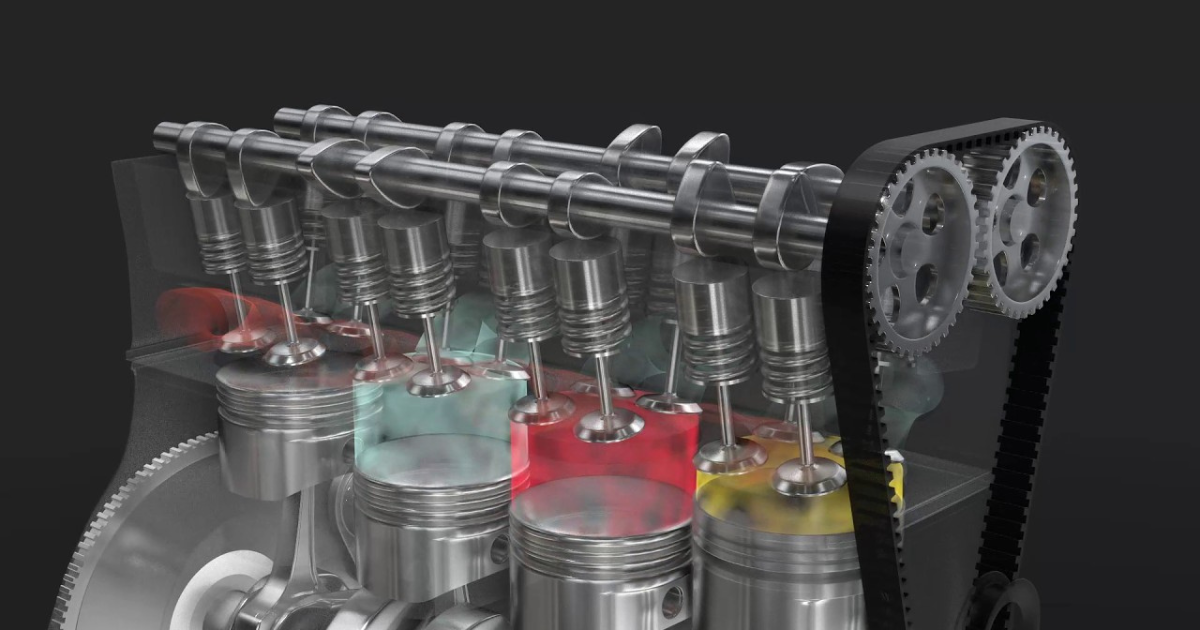
Fuel combustion is the fundamental process that powers internal combustion engines. It is the chemical reaction that converts fuel into energy, allowing vehicles to move. Although it happens in milliseconds inside the engine, combustion is a highly controlled and precise process. Understanding how fuel combustion works can give you deeper insight into engine performance, efficiency, and emissions.
What is Fuel Combustion?
Fuel combustion is the process of burning a fuel-air mixture inside the engine’s combustion chamber. When fuel reacts with oxygen, it releases energy in the form of heat and expanding gases. This energy is then converted into mechanical motion.
In car engines, combustion occurs in a confined space called the cylinder. The rapid expansion of gases during combustion pushes the piston downward, which ultimately helps turn the wheels of the vehicle.
The Combustion Process Step by Step
Fuel combustion in most engines follows a sequence of events:
1. Air-Fuel Mixture Formation
Before combustion can occur, fuel must mix with air in the correct ratio. This mixture is created either by fuel injectors or a carburetor. The ideal ratio ensures efficient burning and maximum energy output.
2. Compression of the Mixture
The piston moves upward, compressing the air-fuel mixture. Compression increases the temperature and pressure, making the mixture more volatile and ready for ignition.
3. Ignition
In petrol engines, a spark plug ignites the compressed mixture. In diesel engines, the mixture ignites automatically due to high pressure and temperature.
4. Combustion (Power Stroke)
Once ignited, the mixture burns rapidly, creating high-pressure gases. These gases expand and push the piston downward with great force. This is the stage where useful power is generated.
5. Exhaust
After combustion, the piston moves upward again, pushing the burnt gases out of the cylinder through the exhaust valve. The engine is then ready for the next cycle.
Types of Combustion in Engines
There are two main types of combustion used in vehicles:
Spark Ignition (SI)
Used in petrol engines, where a spark plug initiates combustion. This method allows precise control over ignition timing and is common in passenger cars.
Compression Ignition (CI)
Used in diesel engines, where fuel ignites due to high compression. This type is more fuel-efficient and produces higher torque.
Factors Affecting Combustion Efficiency
Efficient combustion is essential for engine performance and fuel economy. Several factors influence how well combustion occurs:
- Air-Fuel Ratio: Too much or too little fuel can lead to incomplete combustion
- Compression Ratio: Higher compression improves efficiency but requires stronger engine components
- Ignition Timing: Incorrect timing can reduce power and increase fuel consumption
- Fuel Quality: High-quality fuel burns more cleanly and efficiently
Maintaining these factors ensures optimal engine operation.
Importance of Proper Combustion
Efficient fuel combustion provides several benefits:
- Improved Power Output: More energy is extracted from fuel
- Better Fuel Efficiency: Less fuel is wasted
- Reduced Emissions: Fewer harmful gases are produced
- Smoother Engine Operation: Consistent combustion leads to stable performance
Poor combustion, on the other hand, can cause engine knocking, reduced performance, and increased pollution.
Common Combustion Issues
Sometimes combustion does not occur as intended, leading to problems such as:
- Knocking (Detonation): Premature combustion causing noise and potential damage
- Misfires: Failure to ignite the mixture properly
- Incomplete Combustion: Leads to higher emissions and lower efficiency
- Carbon Buildup: Residue from unburnt fuel affecting engine performance
Regular maintenance and proper tuning can help prevent these issues.
Modern Advances in Combustion Technology
Automotive engineers are continuously improving combustion processes to enhance efficiency and reduce environmental impact. Technologies such as direct fuel injection, turbocharging, and variable valve timing have significantly improved how fuel burns in modern engines.
Hybrid systems and cleaner fuels are also being developed to complement traditional combustion engines and reduce their environmental footprint.
Conclusion
Fuel combustion is the core process that powers internal combustion engines, converting chemical energy into mechanical motion. Through a carefully controlled sequence of mixing, compression, ignition, and exhaust, engines are able to produce the energy needed to drive vehicles.
By understanding how fuel combustion works, you can better appreciate the science behind engine performance and the importance of proper maintenance. As technology evolves, combustion systems continue to become more efficient, cleaner, and more advanced, shaping the future of transportation.