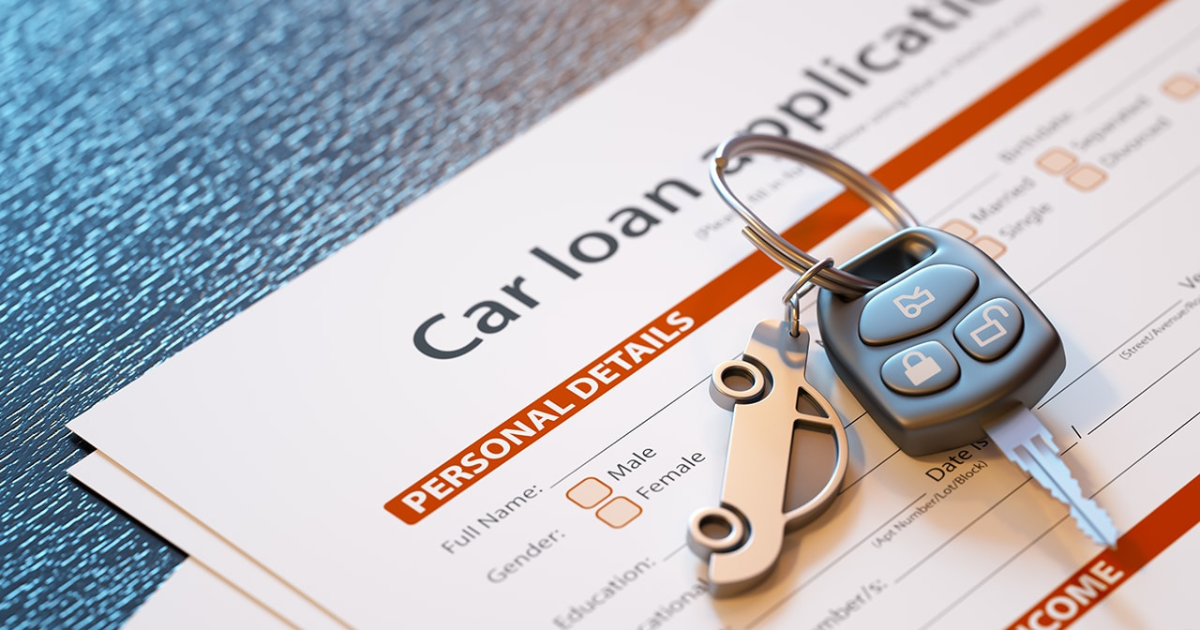
Buying a car is a significant financial commitment, and for most people, taking a loan is the most practical way to afford it. Car loans come in different types, each designed to suit various financial situations and needs. Understanding these options can help you choose the right loan and manage your finances more effectively.
What is a Car Loan?
A car loan is a financial agreement in which a lender provides money to help you purchase a vehicle. In return, you repay the loan over a fixed period with interest. Most car loans are secured, meaning the vehicle itself acts as collateral until the loan is fully paid.
Different types of car loans offer varying terms, interest rates, and flexibility, so it’s important to know how each one works.
1. Secured Car Loans
Secured car loans are the most common type. In this arrangement, the car you purchase serves as collateral for the loan. If you fail to make payments, the lender has the right to repossess the vehicle.
Advantages:
- Lower interest rates
- Easier approval process
- Suitable for most buyers
Disadvantages:
- Risk of losing the car if you default
These loans are ideal for individuals with stable income and average credit scores.
2. Unsecured Car Loans
Unsecured car loans do not require collateral. Instead, lenders approve the loan based on your creditworthiness and financial history.
Advantages:
- No risk of repossession
- Greater flexibility
Disadvantages:
- Higher interest rates
- Stricter approval requirements
These loans are better suited for borrowers with strong credit profiles.
3. New Car Loans
New car loans are specifically designed for purchasing brand-new vehicles. Since new cars have a higher value and lower risk of mechanical issues, lenders often offer lower interest rates.
Advantages:
- Competitive interest rates
- Longer repayment terms
- Access to dealership promotions
Disadvantages:
- Higher purchase price compared to used cars
This option is ideal for buyers who want the latest features and warranties.
4. Used Car Loans
Used car loans are meant for purchasing pre-owned vehicles. Interest rates may be slightly higher due to the car’s depreciation and potential risks.
Advantages:
- Lower purchase cost
- More affordable overall
Disadvantages:
- Higher interest rates
- Shorter loan terms
These loans are suitable for budget-conscious buyers.
5. Dealer Financing
Dealer financing is offered directly through car dealerships. The dealership acts as a middleman between you and the lender or may provide in-house financing.
Advantages:
- Convenient and quick approval
- Promotional offers like zero-interest deals
Disadvantages:
- May include hidden fees
- Interest rates can be higher if not carefully reviewed
It’s important to compare dealership offers with other lenders before deciding.
6. Bank and Credit Union Loans
Banks and credit unions provide car loans with competitive rates and flexible terms. Credit unions, in particular, often offer lower interest rates to their members.
Advantages:
- Transparent terms
- Competitive interest rates
- Reliable service
Disadvantages:
- May require good credit
- Longer approval process
These loans are ideal for those who prefer dealing with trusted financial institutions.
7. Balloon Payment Loans
Balloon loans involve smaller monthly payments during the loan term, followed by a large final payment (balloon payment) at the end.
Advantages:
- Lower monthly installments
- Easier short-term affordability
Disadvantages:
- Large final payment
- Higher overall risk
This option is suitable for buyers who expect a future increase in income or plan to sell the car before the final payment.
8. Lease Buyout Loans
If you are leasing a car and decide to purchase it at the end of the lease, you can use a lease buyout loan. This loan helps you finance the remaining value of the vehicle.
Advantages:
- Allows you to keep a familiar car
- Flexible financing options
Disadvantages:
- May not always offer the best value
Choosing the Right Car Loan
Selecting the right loan depends on several factors:
- Your credit score
- Monthly budget
- Down payment amount
- Long-term financial goals
Always compare interest rates, loan terms, and additional fees before making a decision.
Conclusion
Car loans come in many forms, each designed to meet different financial needs. Whether you choose a secured loan, dealer financing, or a bank loan, understanding your options is key to making a smart decision.
By selecting the right type of car loan and managing it responsibly, you can enjoy the benefits of vehicle ownership without unnecessary financial stress.