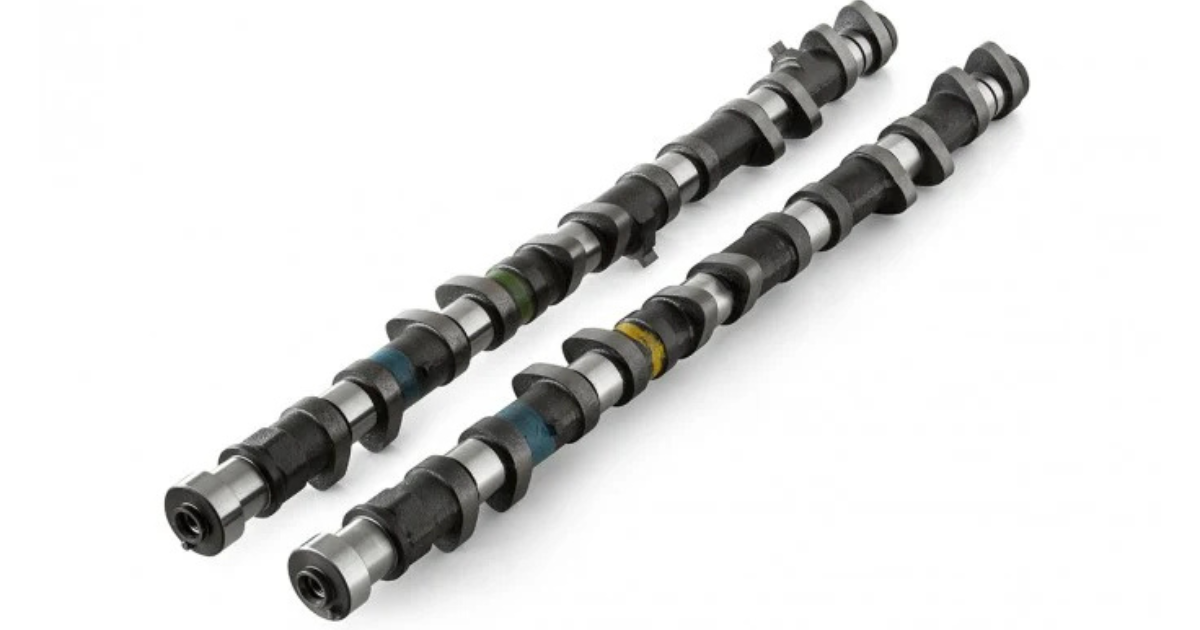
The camshaft is a crucial component of an internal combustion engine, responsible for controlling the opening and closing of the engine’s valves. Although it may not be as widely discussed as pistons or crankshafts, the camshaft plays a key role in ensuring proper engine timing, efficiency, and performance. Without it, the engine would not be able to regulate airflow, which is essential for combustion.
What is a Camshaft?
A camshaft is a rotating shaft equipped with specially shaped lobes, known as cams. These cams push against valves or lifters to open and close the intake and exhaust valves at precise intervals. The camshaft is typically driven by the crankshaft through a timing belt, timing chain, or gears, ensuring synchronized movement.
Camshafts are usually made from hardened steel or cast iron to withstand constant rotation and mechanical stress. Their design is carefully engineered to match the engine’s performance requirements.
Main Functions of a Camshaft
The camshaft performs several essential functions that directly impact how an engine operates:
1. Controlling Valve Timing
The primary function of the camshaft is to regulate when the intake and exhaust valves open and close. Proper timing ensures that the air-fuel mixture enters the combustion chamber at the right moment and exhaust gases exit efficiently.
2. Managing Airflow
By controlling valve movement, the camshaft helps manage the flow of air and fuel into the engine and the removal of exhaust gases. Efficient airflow is critical for optimal combustion and engine performance.
3. Synchronizing Engine Components
The camshaft works in coordination with the crankshaft to maintain proper engine timing. This synchronization ensures that the valves operate in harmony with piston movement, preventing mechanical interference.
4. Enhancing Engine Performance
Different camshaft designs can influence engine power, torque, and fuel efficiency. Performance camshafts, for example, are designed to keep valves open longer, allowing more air and fuel into the engine for increased power.
Key Components of a Camshaft System
The camshaft system includes several important parts:
- Cam Lobes: The raised sections that push the valves open
- Lifters (Tappets): Transfer motion from the camshaft to the valves
- Pushrods (in some engines): Carry motion to the rocker arms
- Rocker Arms: Act as levers to open and close the valves
- Timing Belt/Chain: Connects the camshaft to the crankshaft
Each component must work precisely to ensure accurate valve operation.
Types of Camshaft Configurations
Different engine designs use various camshaft arrangements:
Single Overhead Camshaft (SOHC)
This configuration uses one camshaft per cylinder bank to control both intake and exhaust valves. It is simpler and more cost-effective.
Double Overhead Camshaft (DOHC)
This setup uses two camshafts per cylinder bank—one for intake valves and one for exhaust valves. It allows for better control, improved performance, and higher engine speeds.
Cam-in-Block (OHV)
In older or simpler engines, the camshaft is located inside the engine block. It uses pushrods and rocker arms to operate the valves.
Camshaft Design Considerations
Engineers carefully design camshafts based on several factors:
- Lift: How far the valve opens
- Duration: How long the valve stays open
- Timing: When the valve opens and closes
- Overlap: When intake and exhaust valves are open at the same time
These factors determine engine characteristics such as power output, fuel efficiency, and responsiveness.
Common Camshaft Issues
Like any engine component, camshafts can experience wear and problems over time:
- Worn Cam Lobes: Reduce valve lift and engine performance
- Timing Issues: Caused by a worn timing belt or chain
- Noise: Ticking or tapping sounds may indicate wear
- Poor Lubrication: Can lead to increased friction and damage
Regular oil changes and proper maintenance help extend the life of the camshaft.
Conclusion
The camshaft is a vital part of an engine that ensures proper valve operation and timing. By controlling airflow and synchronizing with other engine components, it directly affects performance, efficiency, and reliability.
As automotive technology advances, camshaft designs continue to improve, incorporating features like variable valve timing for better performance and fuel economy. Understanding the functions of a camshaft gives you deeper insight into how engines work and why precise timing is essential for smooth operation.