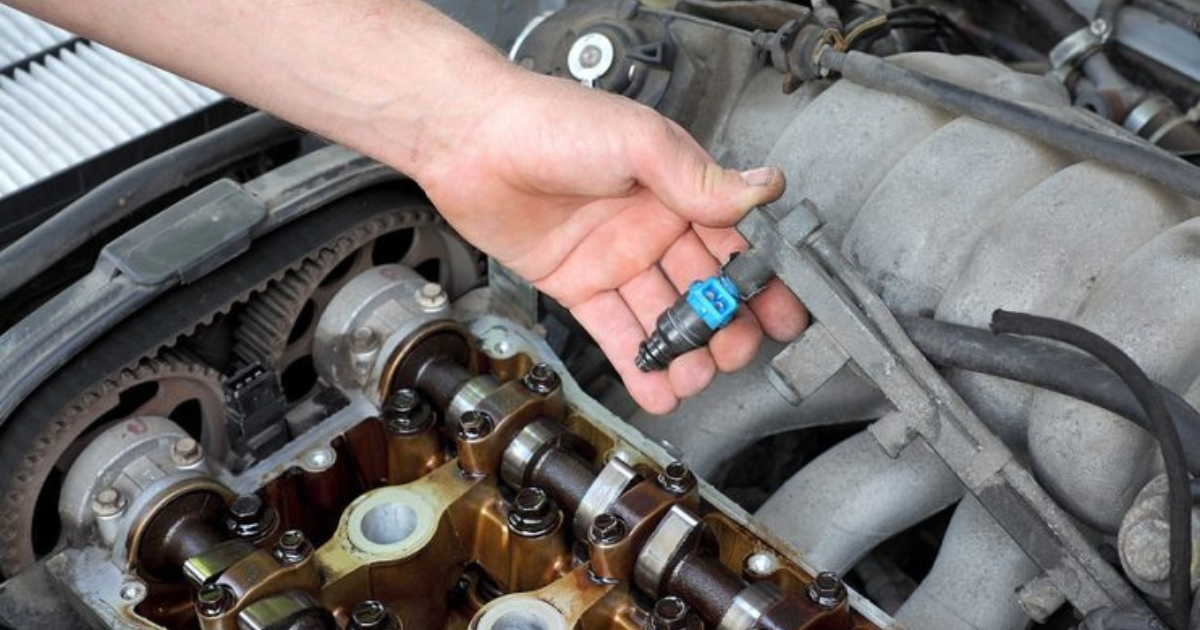
Fuel injectors are a vital component of modern internal combustion engines, responsible for delivering the right amount of fuel into the engine at precisely the right time. They have largely replaced older carburetor systems, offering better fuel efficiency, improved performance, and lower emissions. Understanding how fuel injectors work can help you appreciate their importance in today’s automotive technology.
What is a Fuel Injector?
A fuel injector is an electronically controlled device that sprays fuel into the engine’s combustion chamber or intake manifold. It ensures that fuel is delivered in a fine mist, allowing it to mix efficiently with air for optimal combustion.
Fuel injectors are typically controlled by the engine control unit (ECU), which determines how much fuel is needed based on factors such as engine speed, load, temperature, and throttle position.
Main Functions of Fuel Injectors
Fuel injectors perform several key roles that directly impact engine performance:
1. Precise Fuel Delivery
The primary function of a fuel injector is to supply the exact amount of fuel required for combustion. Too much or too little fuel can affect engine efficiency and performance.
2. Atomization of Fuel
Injectors break fuel into tiny droplets, creating a fine spray. This process, known as atomization, helps the fuel mix evenly with air, resulting in more efficient combustion.
3. Timing Control
Fuel injectors deliver fuel at precise intervals, ensuring that it enters the combustion chamber at the correct stage of the engine cycle.
4. Improving Fuel Efficiency and Emissions
By delivering fuel accurately, injectors help reduce fuel consumption and minimize harmful emissions, making engines more environmentally friendly.
How Fuel Injectors Work
Fuel injectors operate using a combination of fuel pressure and electronic signals:
1. Fuel Supply
Fuel is pumped from the fuel tank to the injector through a fuel pump. It is maintained at high pressure to ensure proper delivery.
2. Electronic Control
The ECU sends signals to the injector, telling it when to open and for how long. This determines the amount of fuel injected.
3. Injection Process
When activated, the injector opens a valve, allowing pressurized fuel to pass through a small nozzle. The fuel is sprayed into the intake manifold or directly into the combustion chamber.
4. Combustion
The injected fuel mixes with air and is ignited (in petrol engines) or compressed (in diesel engines), producing power.
Types of Fuel Injection Systems
There are several types of fuel injection systems used in modern vehicles:
Single-Point Injection (SPI)
Uses one injector for all cylinders. It is simpler but less efficient compared to newer systems.
Multi-Point Injection (MPI)
Each cylinder has its own injector, improving fuel distribution and performance.
Direct Injection
Fuel is injected directly into the combustion chamber, providing better efficiency, power, and reduced emissions.
Common Rail Injection (Diesel)
Used in diesel engines, this system delivers fuel at very high pressure, ensuring precise control and better combustion.
Components of a Fuel Injector System
A fuel injection system includes several important parts:
- Fuel Pump: Delivers fuel under pressure
- Fuel Rail: Distributes fuel to injectors
- Injectors: Spray fuel into the engine
- ECU: Controls injection timing and quantity
- Sensors: Provide data such as temperature and airflow
These components work together to ensure efficient engine operation.
Common Problems with Fuel Injectors
Over time, fuel injectors can develop issues that affect performance:
- Clogging: Caused by dirt or fuel deposits
- Leaking: Leads to fuel wastage and poor performance
- Electrical Failure: Prevents proper operation
- Uneven Spray Pattern: Reduces combustion efficiency
Regular maintenance, including using high-quality fuel and periodic cleaning, can help prevent these problems.
Conclusion
Fuel injectors play a crucial role in modern engines by delivering fuel precisely and efficiently. Their ability to control fuel flow and timing has significantly improved engine performance, fuel economy, and environmental impact.
As automotive technology continues to advance, fuel injection systems are becoming even more sophisticated, helping engines run cleaner and more efficiently. Understanding how fuel injectors work not only enhances your knowledge but also helps you maintain your vehicle for optimal performance and longevity.